The U.S. midterm elections are approaching, this is Goldman Sachs' trading guide
*Author: [Bu Shuqing](https://wallstreetcn.com/articles/3784881#from=ios?ivk=1), Wall Street Journal*
As the U.S. midterm elections approach, the betting market's wagers on a comprehensive victory for the Democratic Party continue to heat up, and Goldman Sachs has prepared a complete trading manual for this.
According to data from market tracking agencies, **the betting market currently prices the probability of the Democratic Party "sweeping" both houses at 67%.** Goldman's core trading logic is: **go long on healthcare and renewable energy, go short on large pharmaceutical companies, defense, and cryptocurrency, and maintain a cautious stance on the AI infrastructure sector.** It is noteworthy that the underlying logic of this strategy is not betting on what legislation the Democratic Party can push forward, but rather judging which industries will suddenly become regulatory targets in Washington.
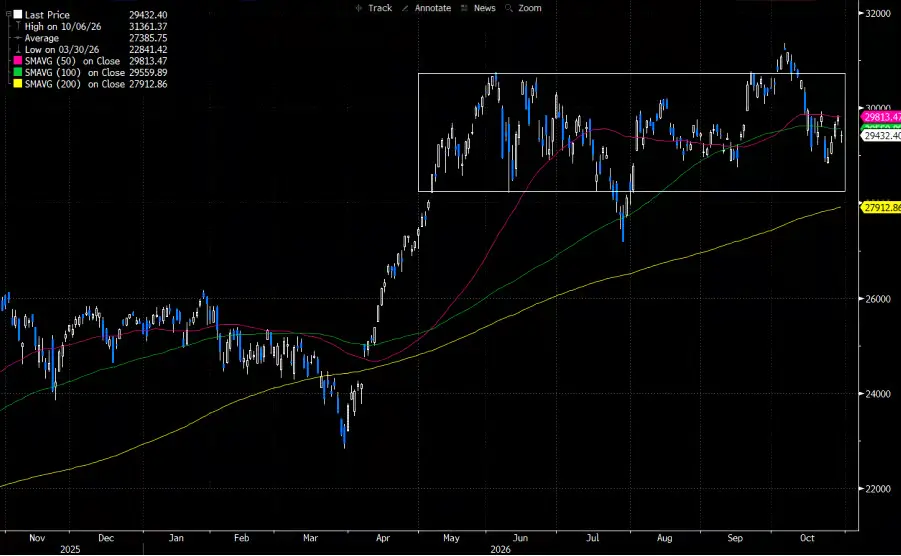
In a broader market context, whether the Nasdaq 100 Index (NDX) can break through a months-long range due to the election results is also a focus for investors. As analyst King Callahan stated, the NDX is currently in a state of "running hard but standing still."
### AI Infrastructure: Who Will Foot the Bill Becomes a Political Issue
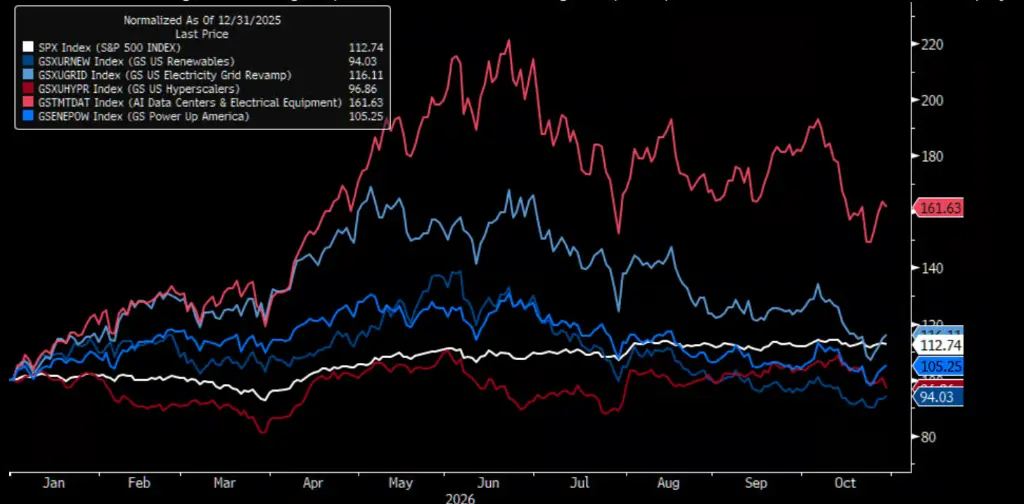
AI trading is facing a new political variable: **electricity bills.**
The Democratic Party advocates for protecting household users from soaring electricity costs, which may force data centers to bear more infrastructure construction costs. The focus of the issue is no longer whether the U.S. needs more AI infrastructure, but rather who will pay for it.
Goldman's recommendation is: go long on renewable energy and grid infrastructure, while taking protective positions on hyperscale cloud service providers and data center equipment.
### Healthcare: Go Long on ACA Beneficiaries, Go Short on Pharmaceutical Companies
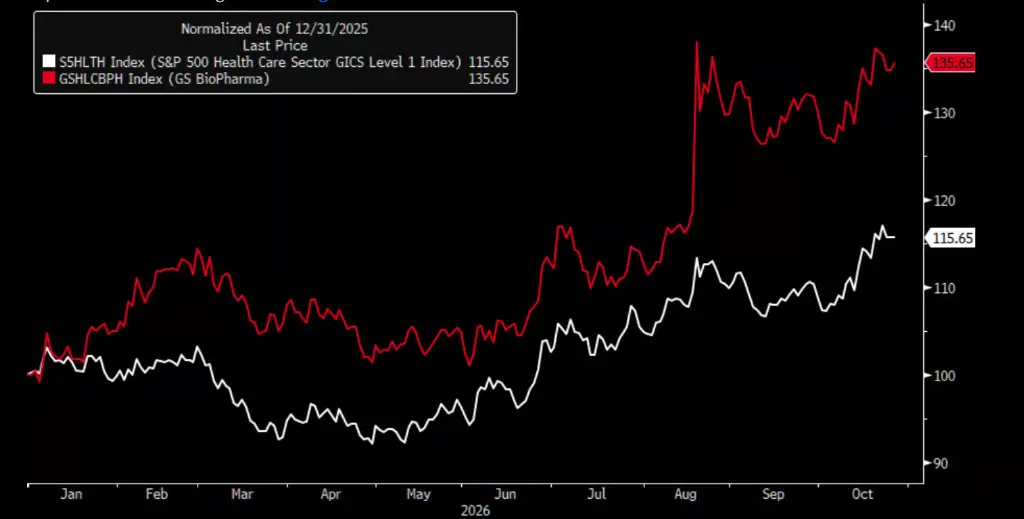
The Democratic Party intends to revitalize subsidies under the Affordable Care Act (ACA), **which is expected to increase patient visits and reduce the burden of uncompensated care on healthcare providers, benefiting the healthcare sector.**
However, the flip side is a more aggressive drug pricing negotiation policy, which will hit large pharmaceutical companies the hardest.
Goldman's operational advice is straightforward: go long on ACA beneficiary targets, go short on pharmaceutical companies.
### Government Spending: Non-Defense Sectors Benefit, Defense Stocks Under Pressure
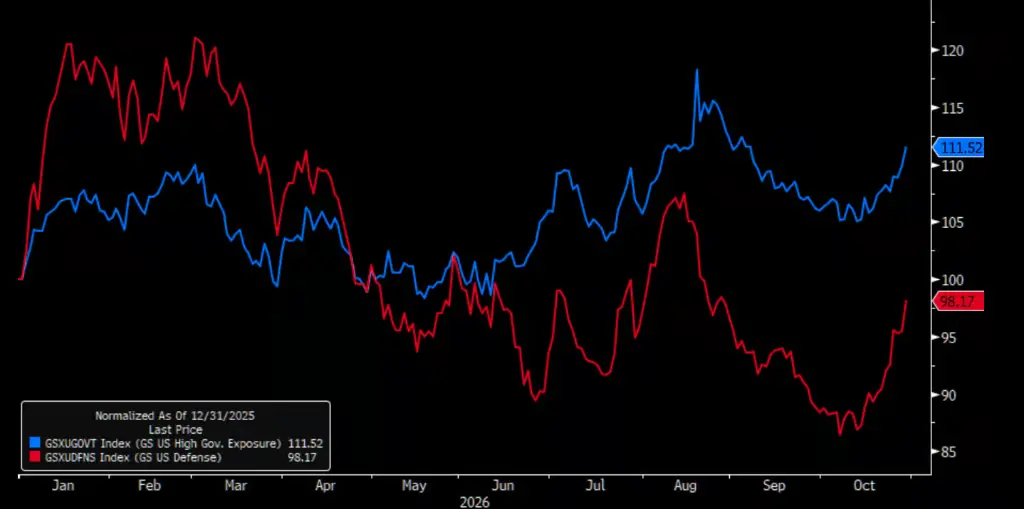
The Democratic Party has traditionally advocated for increasing domestic spending alongside expanding the defense budget.
Goldman believes that there is upside potential for government contractors, research institutions, and healthcare-related spending beneficiaries, while stocks with significant defense exposure may face relative pressure.
Goldman recommends: go long on beneficiaries of non-defense government spending, go short on defense beneficiaries.
### Wall Street Faces Washington: Regulatory Pressure Returns
A Democratic victory means that Washington's attitude towards the business community will become more stringent.
Goldman has issued short recommendations in several areas: for large tech stocks, antitrust enforcement will return to the agenda; for investment banks and cryptocurrency, the number of regulators will increase, and friendly faces will decrease; for tariff-sensitive stocks, Goldman points out that one should not expect the Democratic Party to rescue these stocks— in fact, Goldman expects tariffs to have more upside potential than downside before early 2027.
### Homebuilders: Housing Affordability Provides Policy Support
Housing affordability has always been a political priority of concern for both parties. Expanding housing tax credits and first-time homebuyer incentive policies are expected to provide support for the homebuilder sector. Comparing the performance of the homebuilder index with the equal-weighted S&P 500 index, this sector shows relative advantages.
Goldman recommends: go long on homebuilders.
### Corporate Tax Rate: Limited Short-Term Impact, Long-Term Risks Remain
On tax issues, Goldman's stance is relatively moderate. Due to Trump's retained veto power, and the 21% corporate tax rate becoming a permanent provision, Goldman believes that the immediate risks to corporate earnings in 2027 to 2028 are limited.
However, looking further ahead, high-tax corporations may face a less friendly valuation environment.
Goldman's conclusion is: tax legislation can wait, but the market does not have to wait.